Real Talk on AI: Costs of Conversational AI
We all want AI to feel like a natural conversation. The reality? It’s not there yet. In designing our AI Moderator, we tested more conversational interfaces—bu…
Christopher Farina, PhD•

Click above to watch the video


Study sponsors and CROs understand the vital importance of listening to patients and caregivers throughout the drug development lifecycle. In fact, the FDA’s Patient Focused Drug Development (PFDD) guidance is encouraging our industry to take a more patient-centric approach — as listening is essential for designing truly patient-centered studies.
However, listening to patients has not always been easy to accomplish. Traditional methodologies tend to be somewhat burdensome, time-consuming, and biased. inVibe has solved those challenges with a methodology and technology to collect and analyze real patient voices that are simple, systematic, and scalable across the organization.
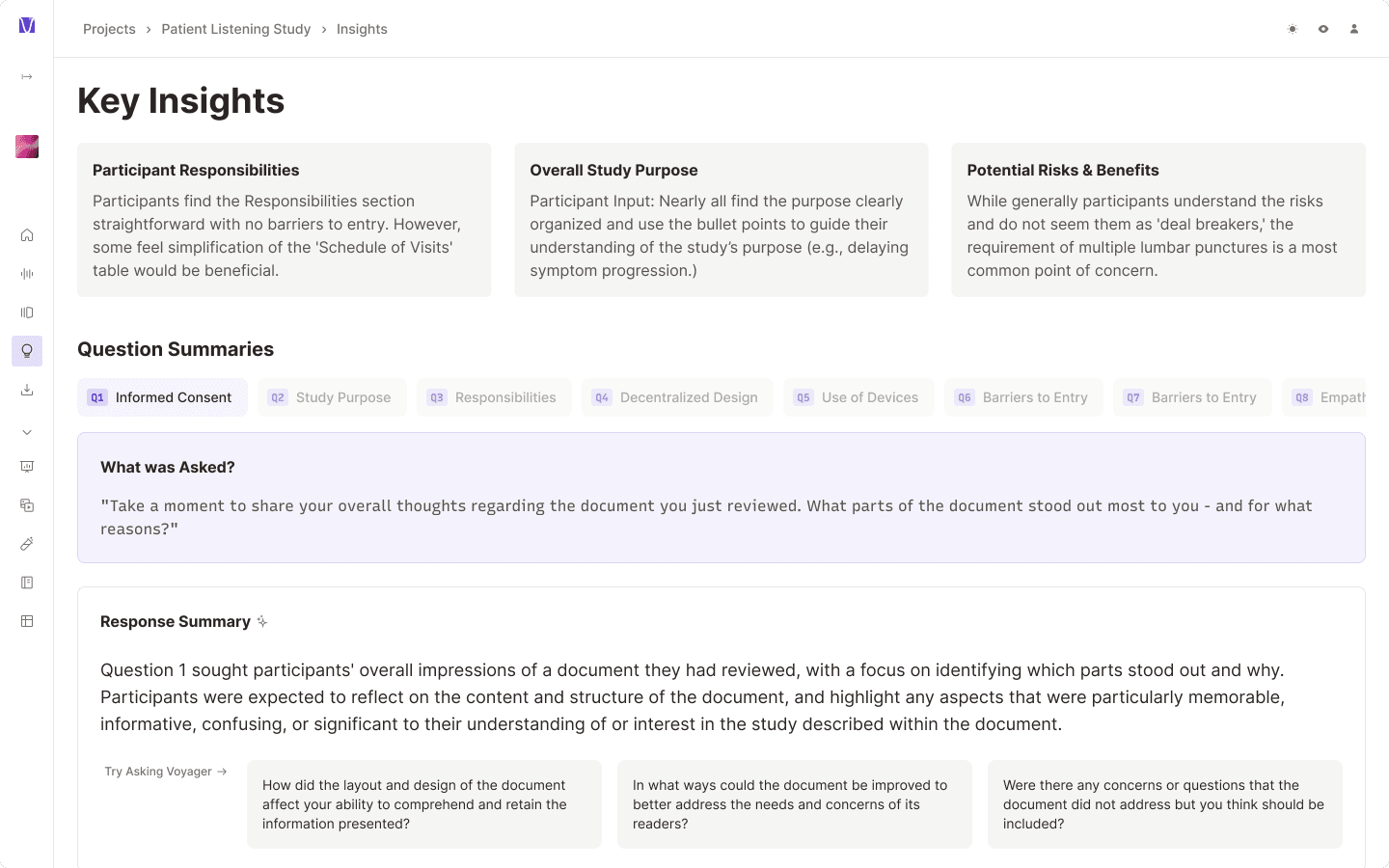
inVibe is a key component of how THREAD is helping to modernize the collection of data, reduce barriers to participation, and enable patients and their caregivers to have a true voice in how they will experience clinical trials.
Study sponsors and CROs leverage inVibe both pre-launch (to optimize study design and educational materials), as well as during active studies (to diagnose issues causing slow recruitment or poor retention). Specific use cases include but are not limited to, understanding disease burden, protocol design, and study burden — as well as evaluating study materials and recruitment assets.
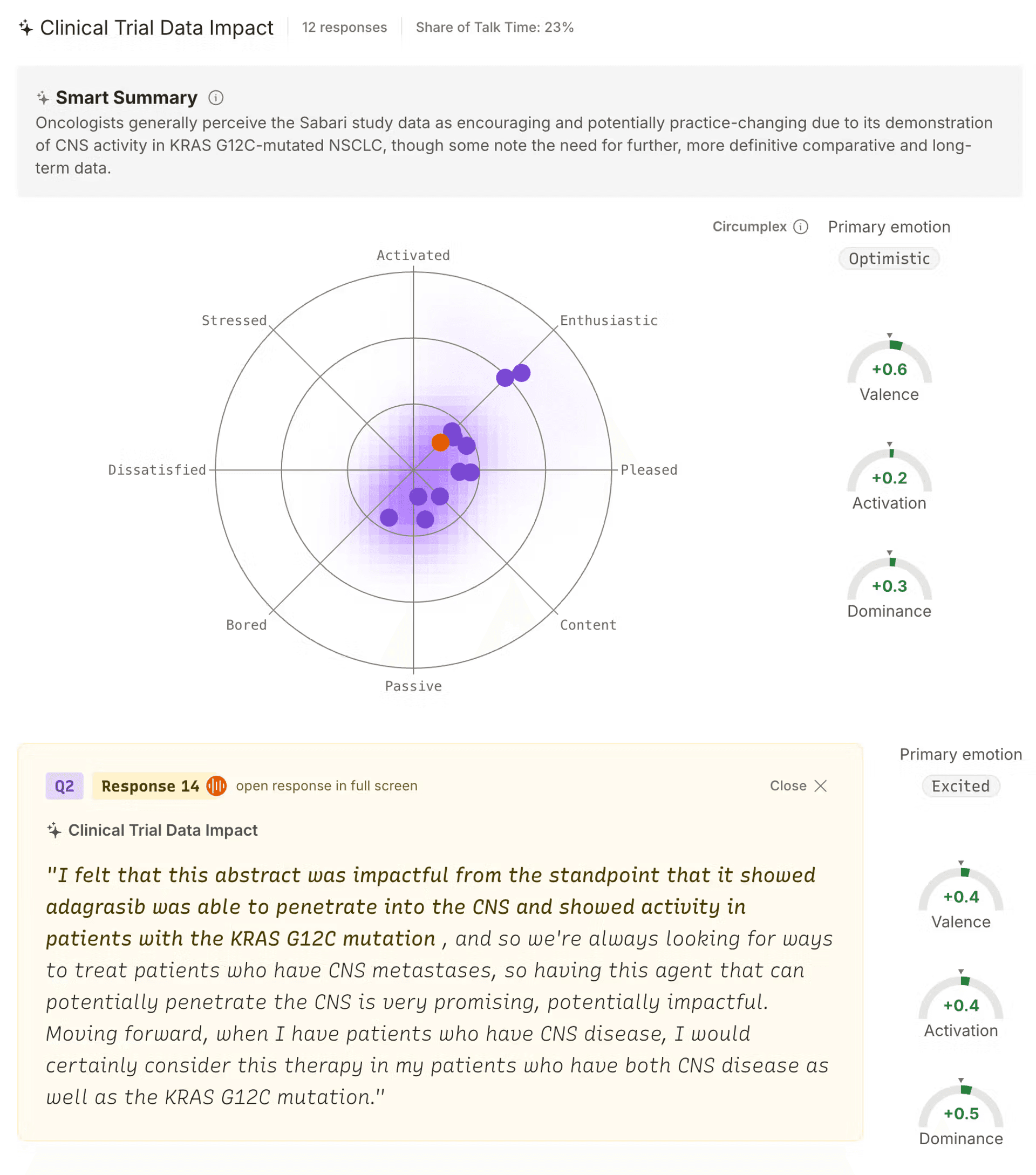
inVibe has unlocked the combined power of machine learning algorithms and human expert analysis for healthcare. Our approach is truly giving research a voice.
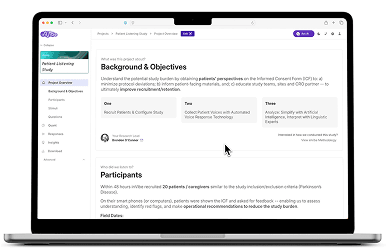
Create and configure voice research projects that are templated, customizable, and designed to gain optimal responses
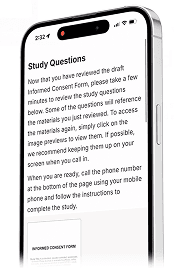
High-speed recruitment with access to real patients and HCPs and collect voice responses via a simple phone call
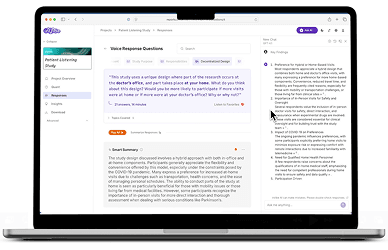
Technology powered by inVibe AI and expert services to analyze voice insights and deliver actionable results with auto-generated reports
AI Agent powered by inVibe
Move from respondent evidence to a reviewable recommendation in one source-linked workspace.
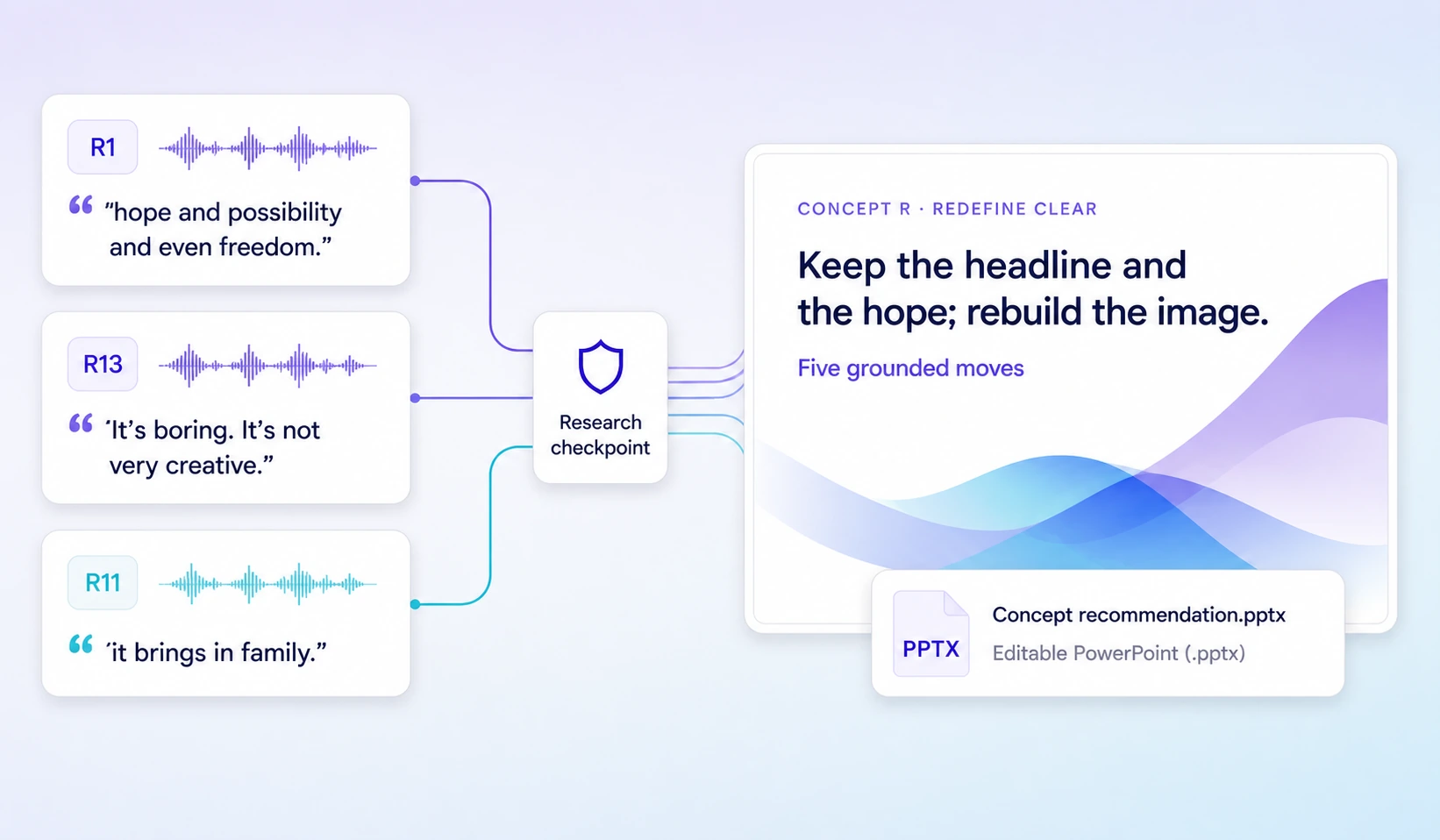
inVibe gives every research project a voice through the combined power of frictionless data collection, machine learning algorithms and language expert analysis.
Understanding disease burden by uncovering the real-world challenges patients face in their daily lives.
Informing protocol design to ensure studies are more patient-centric and feasible.
Evaluating recruitment assets to refine messaging and materials that better resonate with and engage participants.
Understanding perspectives on new clinical data to capture how findings are perceived and interpreted.
Exploring HCP-to-patient communication to identify opportunities for clearer, more effective dialogue.
Testing commercial concepts and messaging to ensure they resonate and drive meaningful engagement.
Clinical & Commercialization Spotlight
See how teams applied patient voice insights to protocol design, recruitment, and commercialization launches.
View Listening Use CasesFrom The inVibe Team
Read insights on voice-based qualitative research from our inVibe team
We all want AI to feel like a natural conversation. The reality? It’s not there yet. In designing our AI Moderator, we tested more conversational interfaces—bu…
In a world moving everything online, we doubled down on the phone. Why? Because how people respond changes with the medium. Voice—and specifically phone-based …
AI opens the door to more “adaptive” interviews; however, adaptive does not always result in better data. When we built our AI Moderator, we made a deliberate …
Most of the industry is focused on collecting more data. inVibe made a different, strategic choice: collecting better data. Our AI Moderator gives participants…

…I also really like this system of collecting data, talking to this automated system and just getting to freely talk so that I don’t have to really do any typing or work involved. I just get to talk and think freely. There’s no one on the other end of the phone judging my response. So, actually, I like this system.
