
Patient and HCP Listening
Listen to Real Patient Voices

How it Works
Patient and HCP Listening takes a novel approach to collect real patient and caregiver voices rapidly to co-create and mitigate risks throughout the clinical study lifecycle.
1
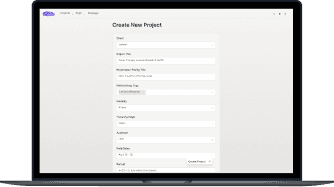
Configure a Mixed Methods Study
2
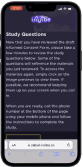
Access Real Patients
3
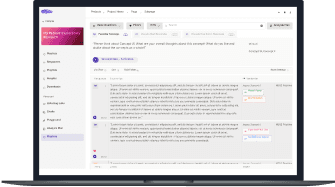
Analyze with Linguistic Experts & AI
Not all-inclusive. inVibe is experienced in over 150 unique indications.
Filter by
1. Disease Experience and Impact
How would you describe what living with this condition is like to someone who is unfamiliar with it? What frustrations or challenges do you experience?


2. Interests and Motivations
Have you ever considered enrolling in a clinical trial for a new treatment for your condition? Why or why not? In as much detail as possible, what would motivate you to enroll in a clinical trial?


3. Barriers and Information Gaps
What do you see as potential downsides or challenges to participating in a clinical trial?


4. On-Site vs In-Home
Many clinical trials require participants to travel to a large regional hospital to receive treatment every 1 to 4 weeks, how feasible would this be for you? How would having a nurse that comes to your home to administer treatment affect your experience?


5. Testing and Monitoring
Clinical trials usually also require participants to travel to the same regional hospital for regular testing between treatments (e.g., blood tests, measurements of vital signs). How feasible would this be for you? What challenges might you encounter specifically? How would having the ability to get this testing done at a local lab (like Quest or Lab Corp) affect your experience?


6. Surveys and Activities
Participants are often required to fill out multiple surveys whenever they visit the hospital that can add an hour or more to the appointment. How feasible would this be for you? How would being able to complete these surveys between visits on your own time affect your experience? How would you prefer to fill out these surveys, and why: pen and paper, a device provided to you, a secure website, or a smartphone application?


7. Technology
Clinical trial teams have begun using online tools to schedule appointments, send text or email reminders, share test results and health info, communicate directly with patients, and conduct virtual appointments. What experience do you have with healthcare providers and offices who use tools like these? How do you currently use these tools to engage with doctors, staff, and your health info? Based on your experience with other healthcare providers, how should clinical trial teams use technology to support patients?


8. Patient Focused Drug Development


